6 Must-Try Korean Winter Street Foods: A Guide for Travelers

Winter in Korea is more than just snowy landscapes and cold weather—it’s a season filled with warm, comforting street foods that will make your trip unforgettable. As you wander through Korean streets during the chilly months, the irresistible aroma of freshly cooked treats fills the air, beckoning you to stop and indulge. Here are six essential Korean winter street foods that every traveler should try.
1. Bungeoppang (붕어빵) - Fish-Shaped Pastry
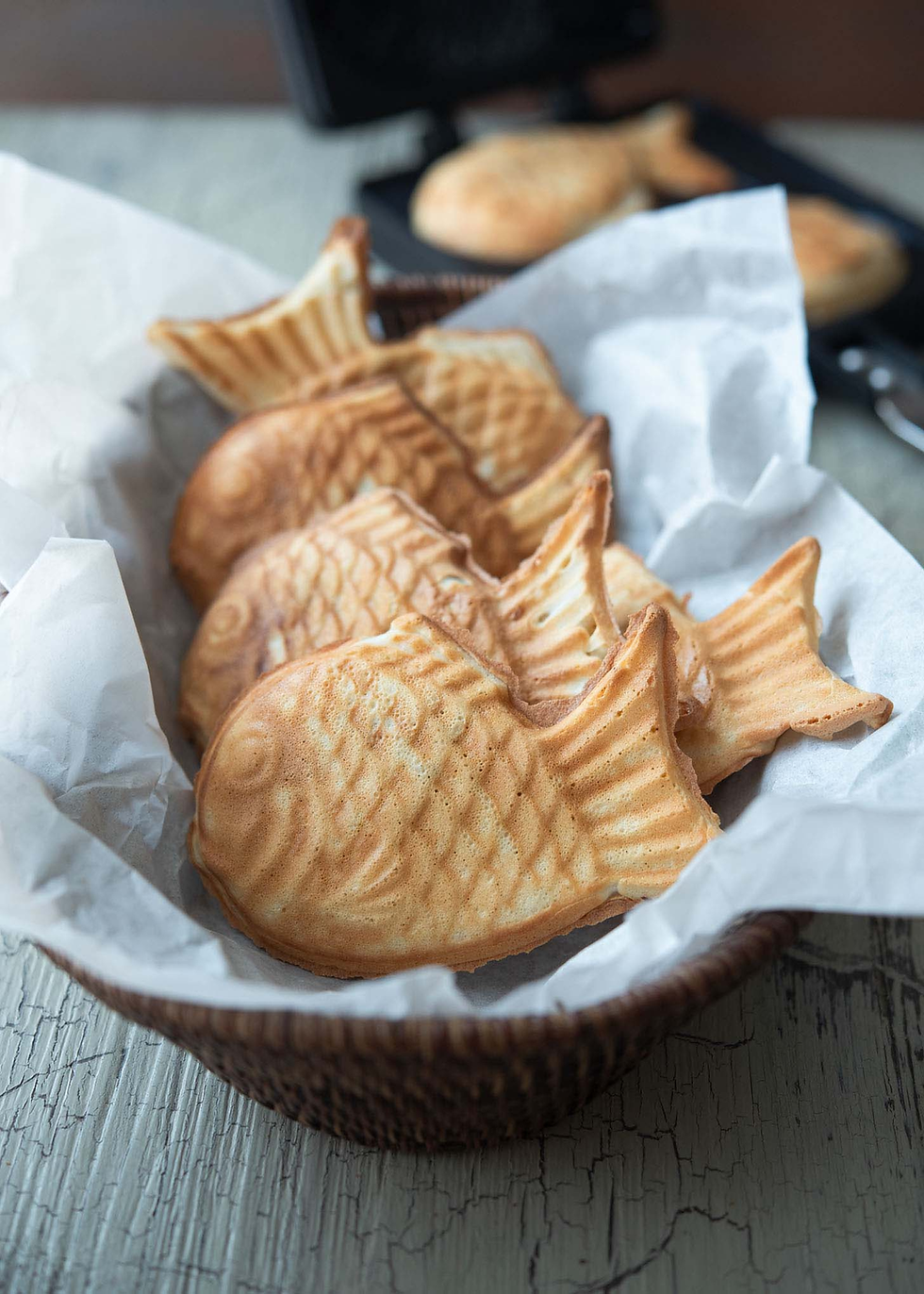
It’s no exaggeration to say that some Koreans eagerly await winter just for bungeoppang. These adorable fish-shaped pastries are a beloved symbol of Korean winter. The most traditional filling is sweet red bean paste, but you’ll also find modern variations filled with custard cream, chocolate, and even savory options.
What makes it special: The crispy, golden-brown exterior gives way to a soft interior filled with sweet, warm filling. Each bite offers the perfect combination of textures and flavors that instantly warm you from the inside out.
Where to find it: Look for street vendors with fish-shaped molds, especially near subway stations and busy shopping districts.
Pro tip: Best enjoyed fresh off the grill while still piping hot!
2. Hotteok (호떡) - Sweet Syrup-Filled Pancake

Hotteok is the ultimate Korean winter comfort food. This chewy pancake is filled with a mixture of brown sugar, cinnamon, and chopped nuts that melts into a sweet, gooey syrup when grilled on a hot pan. Watching the vendor press the dough flat on the griddle is part of the experience.
What makes it special: The contrast between the crispy, slightly caramelized exterior and the hot, sweet syrup inside creates an explosion of flavors. The cinnamon adds a warming spice that’s perfect for cold weather.
Where to find it: Hotteok stands are common in traditional markets, shopping streets, and near tourist areas.
Pro tip: Be careful when biting in—the syrup inside is extremely hot! Let it cool for a few seconds to avoid burning your mouth.
3. Eomuk (어묵) - Fish Cake Skewers

Eomuk, also known as odeng, is a winter staple that offers both food and comfort. These skewered fish cakes are simmered in a savory broth, and the best part? You get a complimentary cup of the hot, flavorful soup to sip on while you eat.
What makes it special: The fish cakes absorb the rich, umami-packed broth, making each bite incredibly flavorful. The warm soup instantly soothes you on a cold day, bringing warmth to your entire body.
Where to find it: Eomuk vendors are everywhere in Korea during winter, from busy street corners to subway station exits.
Pro tip: Don’t skip the broth—it’s free and delicious! The warm soup is just as important as the fish cake itself.
4. Gunbam (군밤) - Roasted Chestnuts

Gunbam brings an old-fashioned charm to Korean winters. These chestnuts are roasted with their shells on in large rotating drums or over charcoal braziers, infusing them with a delicious smoky flavor that you can smell from blocks away.
What makes it special: The roasting process creates a naturally sweet, nutty flavor with a tender texture. The smoky aroma adds depth to the taste, making each chestnut a bite-sized piece of winter nostalgia.
Where to find it: Once commonly found on street corners, roasted chestnuts are now mostly available at convenience stores and inside subway stations, though some traditional street vendors still exist.
Pro tip: They’re a healthy, portable snack—perfect for munching while exploring the city.
5. Gungoguma (군고구마) - Roasted Sweet Potato

The sweet aroma of gungoguma is one of the most recognizable scents of Korean winter. These sweet potatoes are roasted whole with their skins on, creating a caramelized outer layer and a soft, heavenly sweet interior.
What makes it special: The natural sugars in the sweet potato caramelize during roasting, creating an intensely sweet flavor without any added sugar. The texture is incredibly tender and almost creamy, melting in your mouth.
Where to find it: Like roasted chestnuts, these are commonly found in convenience stores and subway stations. Some traditional vendors still sell them from street carts.
Pro tip: Try the unique Korean combination of sweet potato with kimchi—the sweetness balances the spicy, tangy kimchi perfectly! It might sound unusual, but it’s a beloved pairing among Koreans.
6. Gyeranppang (계란빵) - Egg Bread

Gyeranppang earned its place on CNN’s list of “Top 50 Breads in the World,” and for good reason. This unique Korean creation features a whole egg baked into a sweet, fluffy bread, making it both a snack and a light meal.
What makes it special: The combination of the savory whole egg with the subtly sweet bread creates a perfect balance. It’s filling, nutritious, and warming—ideal for breakfast on the go or an afternoon snack.
Where to find it: Street vendors selling gyeranppang are common near schools, universities, and shopping districts. Look for the distinctive egg-shaped molds.
Pro tip: Best enjoyed fresh and hot. The egg inside should still be slightly soft for the best texture.
Top Places to Find Winter Street Food in Seoul
Myeong-dong Station Food Street
A gourmet haven where you can find all these winter treats and more. The area is particularly bustling in the evenings.
Location: Turn left and walk straight from Exit 6 of Myeong-dong Station (Seoul Subway Line 4)
Hongdae Pedestrian-friendly Street
The place to find trendy snacks alongside traditional favorites. The youthful atmosphere adds to the experience.
Location: Turn left and walk for 145 meters from Exit 9 of Hongdae Station (Seoul Subway Lines 2, Airport Railroad, Gyeongui Jungang Line)
Essential Tips for Enjoying Korean Winter Street Food
Timing matters: Most street food vendors operate from late morning until late evening, with peak times around 3-8 PM.
Cash is king: While some vendors accept cards, many still prefer cash. Keep small bills handy.
Follow the crowds: Long lines usually indicate the best quality and freshest food.
Try combinations: Don’t hesitate to buy multiple items—Koreans often mix and match their street foods.
Temperature awareness: These foods are served extremely hot. Give them a moment to cool slightly to avoid burns.
Ask for recommendations: Vendors are usually friendly and happy to suggest their bestsellers, especially if you’re a tourist.
Why Korean Winter Street Food is Special
Korean winter street food is more than just sustenance—it’s a cultural experience. These foods have been warming Koreans for generations, evolving from simple necessity to beloved traditions. Each bite connects you to Korean culture and the collective experience of finding comfort in small pleasures during the cold season.
The portability of these snacks makes them perfect for travelers exploring the city on foot. You can enjoy them while walking through traditional markets, waiting for the subway, or taking a break from sightseeing. They’re affordable, delicious, and offer an authentic taste of everyday Korean life.
Final Thoughts
Experiencing Korean winter street food is an essential part of visiting Korea during the colder months. These six treats—bungeoppang, hotteok, eomuk, gunbam, gungoguma, and gyeranppang—represent the heart and soul of Korean winter culture. Each one offers unique flavors and textures that will warm both your body and your spirit.
Don’t let the cold weather discourage you from exploring Korea in winter. Instead, use it as an opportunity to discover these amazing comfort foods that transform the season into something magical. Your taste buds will thank you!
📍 Book your private Korean food tour today and experience winter street food the way it's meant to be enjoyed!
Comments